

Issue · 01
The second photo was more useful than the first
August 13, 2026
This week from Catey
I am not a plant person. By mid-July, the terrace pots were still alive, but several were beginning to look like evidence that no one had a plan.
We planted them in May. Two months later, the stems were leggy, brown bits were mixed into the flowers, one evergreen looked suspiciously dead, and a large weed had established itself in the middle of a planter like it paid rent.
Normally I would search "why is my plant sad," open several tabs, and still not know which advice applied to the thing in front of me. This time I took a photo of each pot and asked what to do.
It could be that specific because I had shown it exactly what I was looking at. Give the blue lobelia a light haircut, about an inch or two around the edge. Trim the leggy white Euphorbia by roughly a third. Leave the succulents alone. Pull the weed. For the evergreen, scratch a branch with a fingernail: green underneath means it is alive; brown means that section is dead.
Half of this meant nothing to me at first. I do not know a lobelia from a Euphorbia, so I had to write back and ask which pot was which before I could do anything. Once it pointed them out, the instructions made sense.
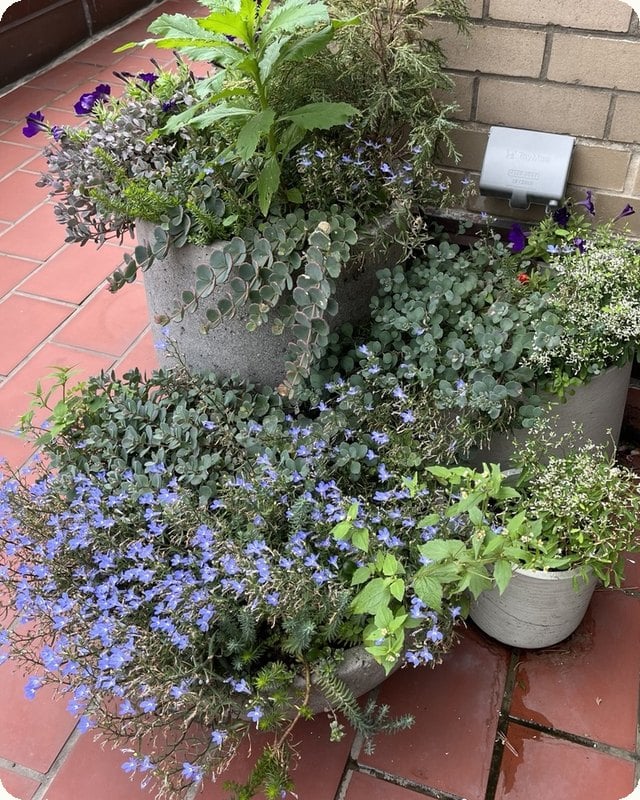 Before: leggy stems, brown growth, and one thriving weed.
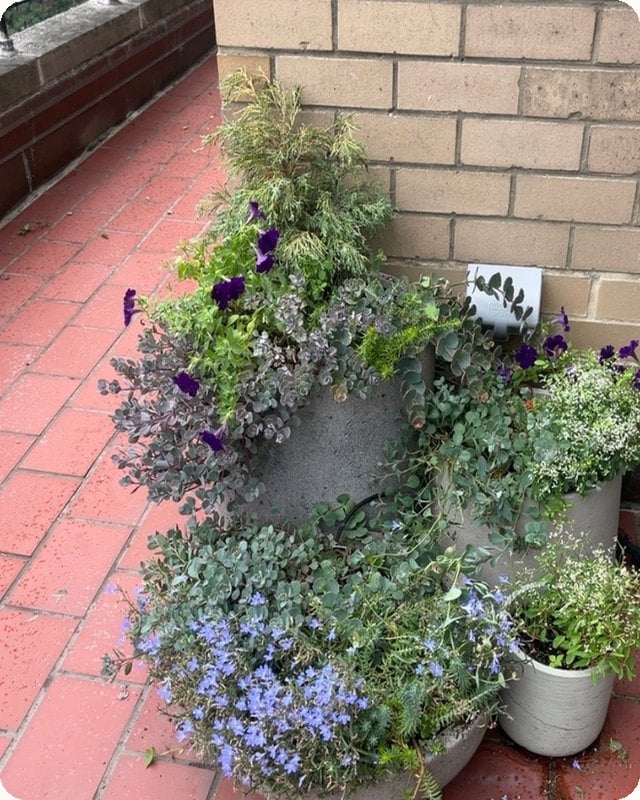 After: trimmed, cleaned up, and still alive.
Then I sent another photo. And another. One question turned into about ten exchanges as I worked my way around the terrace. Is this dead? Is this a weed? Better or trim more? Stop here? Instead of trying to absorb a complete gardening lesson upfront, I could do one thing, show the result, and get the next instruction.
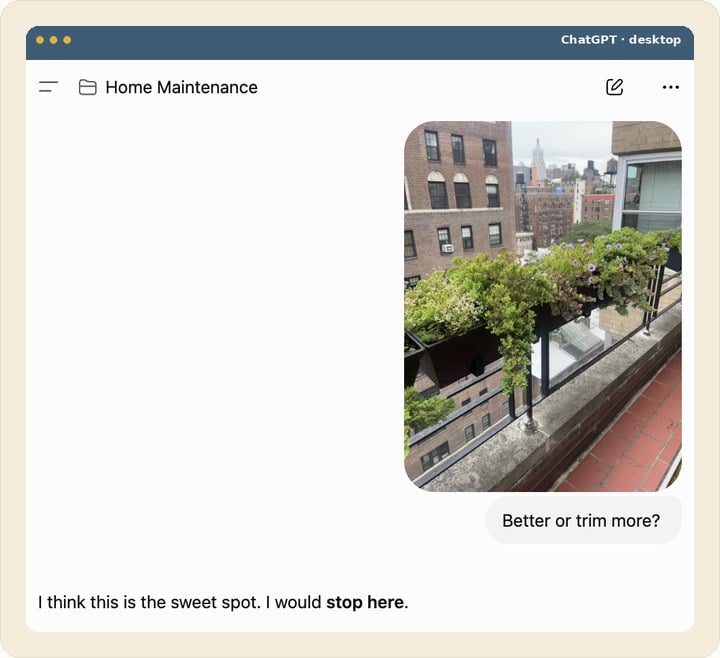 One of the exchanges, near the end. It told me to stop.
After each round, it pointed out the brittle twigs I still had to trim and which pots were already done. At the end it graded the terrace an A-. Fair enough.
Real attempt: The useful part was not the first diagnosis. It was showing the work, getting corrected, and knowing when to stop.
What actually helped
01 Use a photo when you do not know the vocabulary
Most people type a question and then spend a paragraph trying to explain the exact yellowing pattern, the cable behind the TV, or the assembly step that looks nothing like the diagram. The image carries those details immediately. When you cannot describe the problem cleanly, that is usually a signal to show it instead.
02 Send the follow-up photo
The first answer got me started. The next photos kept me from overpruning. For a physical task, the loop matters: do one step, show the result, get a correction, then continue. That is much more useful than asking one broad question and hoping you interpreted the answer correctly.
03 Tell it how much help you need
"Assume I know nothing" is useful information. So is "go one step at a time," "flag anything I should leave alone," and "tell me when I'm done." Those instructions turn a generic answer into something a beginner can actually follow.
I usually think about AI as a way to shorten work I already know how to do. This was different. I used it to attempt something I would normally avoid because I did not know where to start. Small repairs, cooking outside your rotation, a plant you cannot name. The result was not expert gardening. The terrace looked better, I did not kill anything, and I now know enough to keep going. That was plenty.
Tested in Real Households ✓
One homework packet, two ages
My older daughter had a rising-kindergarten summer math packet. My younger one, who is three, wanted her own. Instead of starting over, I uploaded the older packet and asked for the same themes and page-a-day rhythm, simplified for a younger child.
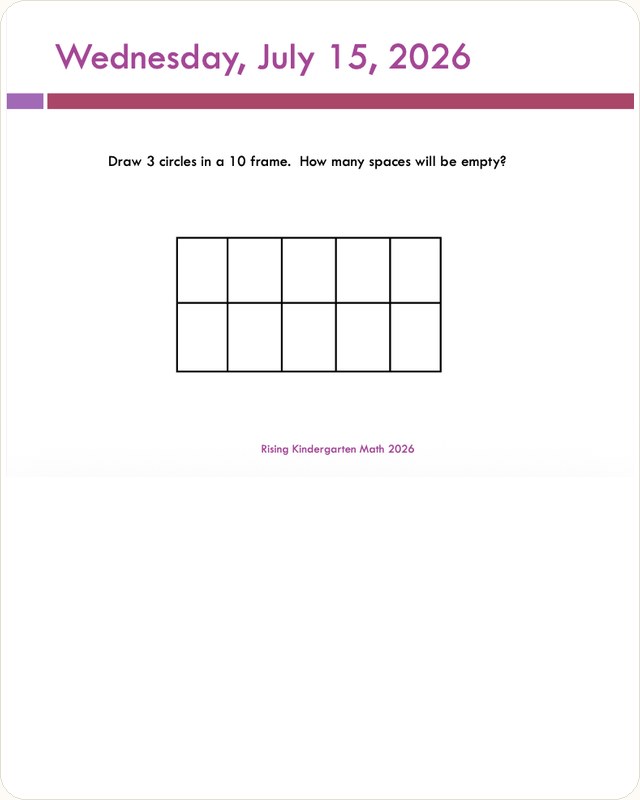 Source: the packet that already existed.
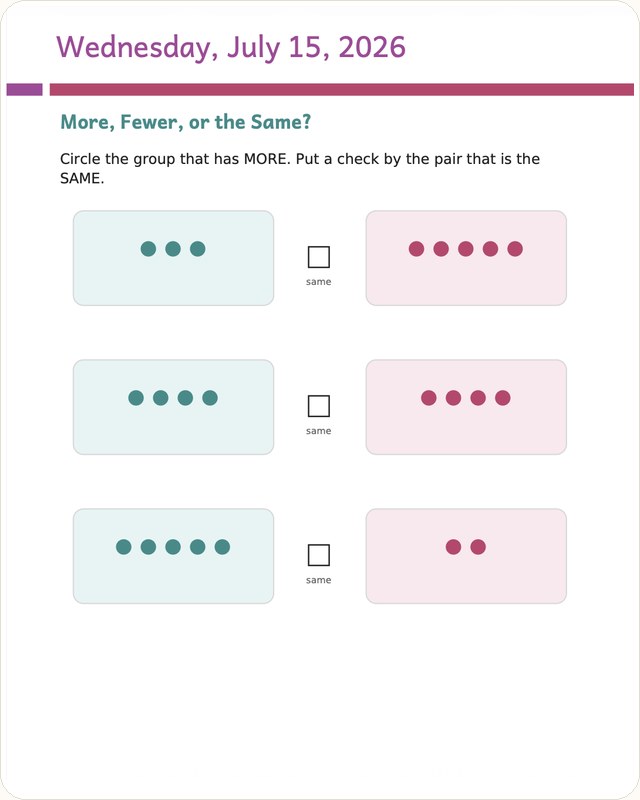 Adapted: the same concept at a different level.
The prompt
Here's my [older child]'s kindergarten homework packet. Create an age-appropriate version for my [younger child], keeping the same themes but simplifying for a 3-year-old.
The honest verdict
One minute from prompt to print, and I had the whole duplicate workbook: same daily rhythm, her own version page for page. This was elective math for a three-year-old, so I did not feel any need to check what was in it first. She had her own packet in about the time it took to find the printer. That was the surprise.